1. How has the music industry changed over the last 30 years?
Physical media, including CDs and cassettes, dominated the industry starting in 1990. Many musicians write and release their own music, which brings in large sums of money from record sales.


In addition, the advent of digital technology led to the memory of binary numbers, 1 and 0, and in particular, the emergence of the mp3 format and peer-to-peer file-sharing services such as Napster. At that point, song privacy emerged as one of the most important issues. Fifty percent of people still denied to duplicate other people's songs. This resulted in a decrease in traditional sales revenue and a reduction in song sales for many artists at the time.


(Mp3)
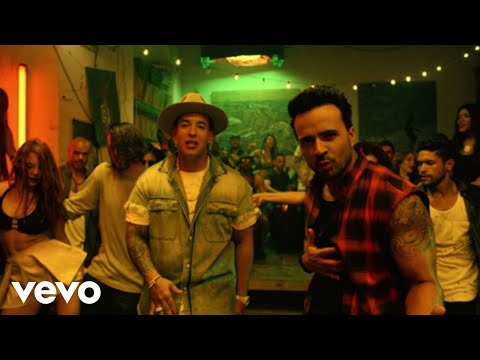
Prior to 2010, when the music industry peaked, people could listen to music on a number of streaming services, including YouTube, Apple Music, and Spotify. Many songs that are popular on social media, such as "Despacito," "Alan Walker," and many others, consistently receive 100 million views every song. These services provided huge music collections either for free with advertisements on YouTube or Spotify, or for a monthly price. This resulted in a switch from purchasing to consuming music through access rather than ownership.


Streaming Services: The amount of consumers today use YouTube, Apple Music, Spotify, and other streaming services to get music are very high, because its very easy to access with low price and its also have alot of site to access to it. These services, which frequently need subscriptions, provide a libraries music catalogs that are directly accessible.
Social media: Sites like YouTube, Instagram, TikTok and Facebook are important places to find new music because of viral challenges and trends that frequently push new releases to the top.
About me, I know music through YouTube, the first time I listened to music was a long time ago. When I was in grade 6, while doing homework I felt quite bored and wanted to find some to relax like playing games, but after scrolling on YouTube I found the music name "Rise Up" from TheFatRat. Then after listening to 2 or 3 songs of TheFatRat addiction their music, I saved a lot of their song in my favorite and listened to it while studying or sleeping. I also like Marshmallow, despacito, and a lot of artists as well. Until now im usually listen to music by using YouTube or Spotify. At the past Im don't really care about any streaming services, im just looking for music that free on youtube to watch. But nowadays when there are more advertisement pop-up usally I have to pay for youtube prenium to skip the advertise. By the way I don't have phone so Spotify might not a good option for me :))
3. Do people still own music?
Yes, people still own their music, but the ways that they owned are now way more different in the past, because this become more varied in the digital age, so the music ownership has evolved.
The first ownership like MP3 or digital download, in the past people buy individual tracks or albums from platforms like Itunes,.. These file are save in digital devices on personal devices, giving their owner easy and permanent access fast.
Streaming is based on access rather than ownership. If a subscription ends or a song is removed from the service, access is lost, which contrasts with the permanence of ownership.
4. How artists get paid for their music in new digital world?
First, artists make money when their music is played on services such as Spotify, Apple Music, and YouTube. However, the per-stream payout is rather low because some artists are not adequately compensated because their remuneration is determined by the number of views their song receives. Perhaps some of you are not as popular as Taylor Swift, thus you are paid less since you are unknown and unpopular. Famous artists generate significant cash from song sales.
The second one involves musicians earning money through digital downloads on outlets such as iTunes, Bandcamp, and Amazon Music. Unlike streaming, where revenue is based on plays, downloads provide a single payment per purchase.
In the past, artists sold physical copies of their music, such vinyl albums and CDs, at concerts or online storefronts. These sales can be profitable, particularly for collector or limited-edition items.
There are still many methods for musicians to make money from their songs in the new digital world, but AI will be their greatest adversary because it will generate their lyrics, compose their songs, and defeat all human music.



Không có nhận xét nào:
Đăng nhận xét